
Immediate Green Coverage for Prepared Sites
Sod Installation in San Martin for properties needing rapid lawn establishment where drainage and soil grading are already addressed
Variable drainage and soil conditions in South County foothill service areas affect how sod roots and establishes after installation. Sod provides rapid establishment during transitional seasons when seeded turf would struggle with temperature swings or moisture inconsistency. Elevate Greenscape & Trees delivers sod installation across San Martin, Gilroy, Saratoga, Mountain View, and San Jose through site assessment, soil grading, sod selection, and precision laying. The seven-person crew coordinates sod delivery timing with installation to minimize time between harvest and laying, which directly affects root survival and establishment speed.
Site assessment evaluates existing grade, drainage flow, and soil composition before installation begins. Grading establishes proper slope away from structures and eliminates low spots where water would pool under sod. Sod selection matches species to sun exposure, intended foot traffic, and irrigation system capacity. Precision laying ensures tight seam contact without gaps or overlaps, and edges are trimmed to fit against hardscape or planted bed borders. Installation integrates with irrigation system design to coordinate watering schedules during the establishment period.
Request a site evaluation to assess grading requirements, soil conditions, and sod species options for immediate lawn establishment.
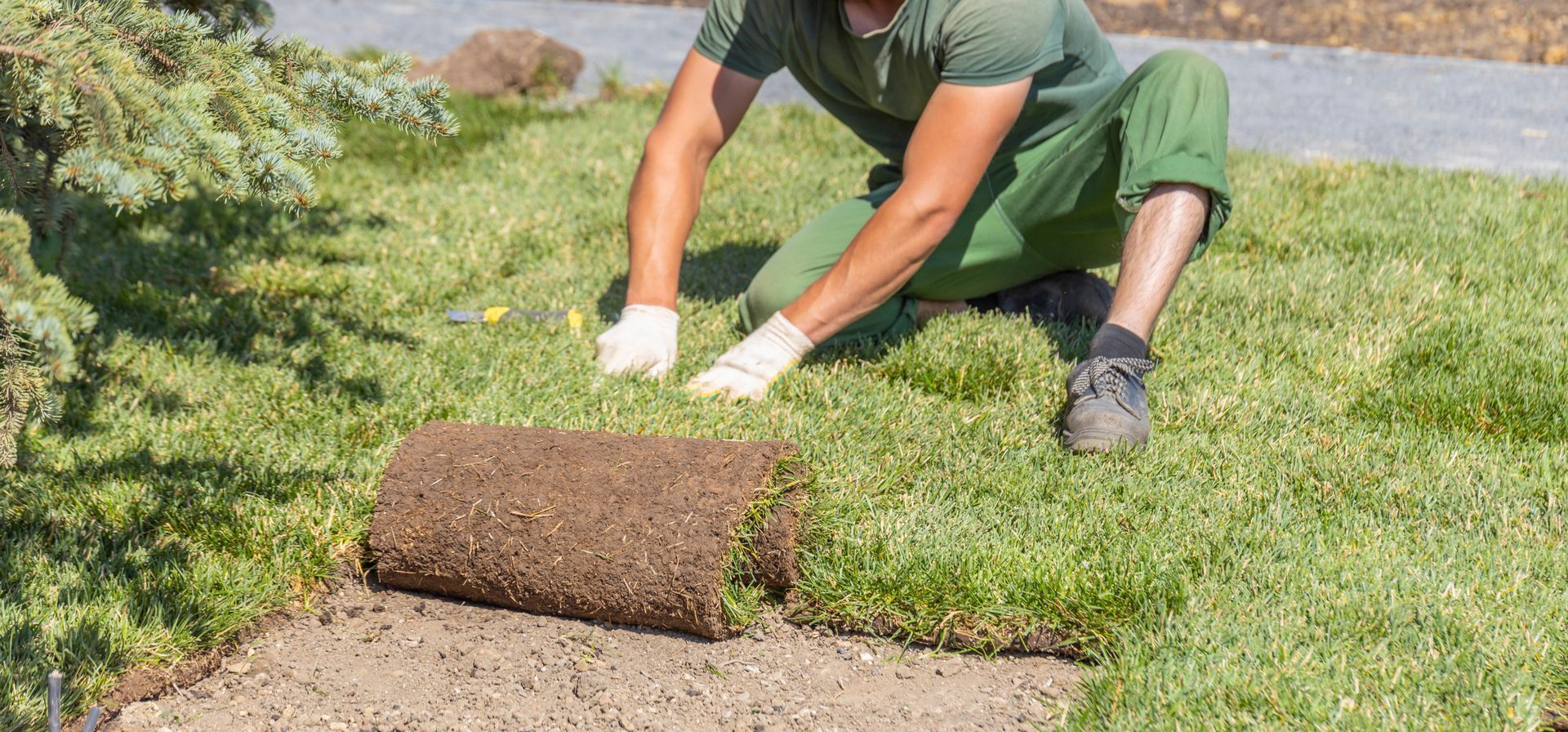
What Changes After Sod Roots Into Soil
Sod installation involves rolling out pre-grown turf sections onto prepared soil, staggering seams to prevent continuous lines that weaken under stress, and ensuring full soil contact by eliminating air pockets that block root penetration. Irrigation begins immediately after laying to prevent drying at seam edges, and watering frequency adjusts as roots establish and sod transitions from transplant stress to active growth. Year-round landscape maintenance cycles support post-install performance through mowing schedules, irrigation adjustments, and seasonal monitoring.
After rooting completes, you'll notice that the lawn tolerates foot traffic without lifting or shifting, seams become invisible as roots knit together, and the sod maintains uniform green color without brown edges or dry patches. Water drains away from the lawn surface without pooling, and irrigation delivers even moisture without runoff. The lawn responds to mowing without stress or thinning, and seasonal growth follows expected patterns for the sod species installed.
Sod installation requires coordinated delivery and laying within hours of harvest to prevent root drying, which means scheduling depends on supplier availability and weather conditions suitable for immediate establishment. Properties with steep slopes, heavy shade, or compacted soil may need additional grading or amendment before sod installation produces reliable long-term performance.
Answers to Frequent Service Questions
Sod species performance, establishment timing, and how installation coordinates with irrigation are typical areas property owners ask about before committing to installation.
What happens during the site assessment for sod installation?
Site assessment evaluates existing soil grade, drainage flow direction, soil compaction, and irrigation coverage to determine what preparation is needed before sod can be laid and establish successfully.
How does sod installation differ from turf seeding?
Sod provides immediate green coverage and faster establishment because roots are already developed, while seeding requires germination time and is more vulnerable to irrigation gaps, temperature stress, and weed competition during early growth.
What soil grading does sod installation require in San Martin?
Grading establishes drainage slope away from structures, eliminates low spots where water pools, and levels high spots that would leave air gaps under sod that prevent root contact with soil.
When is the best time to install sod in South Bay foothill areas?
Transitional seasons—spring and fall—offer moderate temperatures and natural rainfall that support establishment, though sod can be installed year-round if irrigation systems deliver consistent moisture during the rooting period.
How long before sod can handle foot traffic after installation?
Light foot traffic is generally safe within two weeks as roots begin penetrating soil, but heavy use or sports activity should wait until roots fully establish, typically three to four weeks depending on irrigation and temperature conditions.
Elevate Greenscape & Trees coordinates sod delivery and installation across residential and commercial properties in San Martin and throughout the South Bay corridor. Reach out at (408) 843-7208 to schedule a site assessment and review sod options based on your property's drainage, soil conditions, and irrigation capacity.
