Hazardous Trees Removed Before Storm Season
Tree Removal in San Martin for dead, diseased, or structurally compromised trees threatening property and safety
Elevate Greenscape & Trees removes hazardous, dead, and diseased trees across residential and commercial properties in San Martin and throughout the South Bay. The foothills surrounding this service area experience seasonal storm damage and elevated wildfire risk, making timely removal of compromised trees a critical safety measure. When a tree shows visible decay, significant lean, or extensive dieback, full extraction prevents property damage and reduces liability exposure.
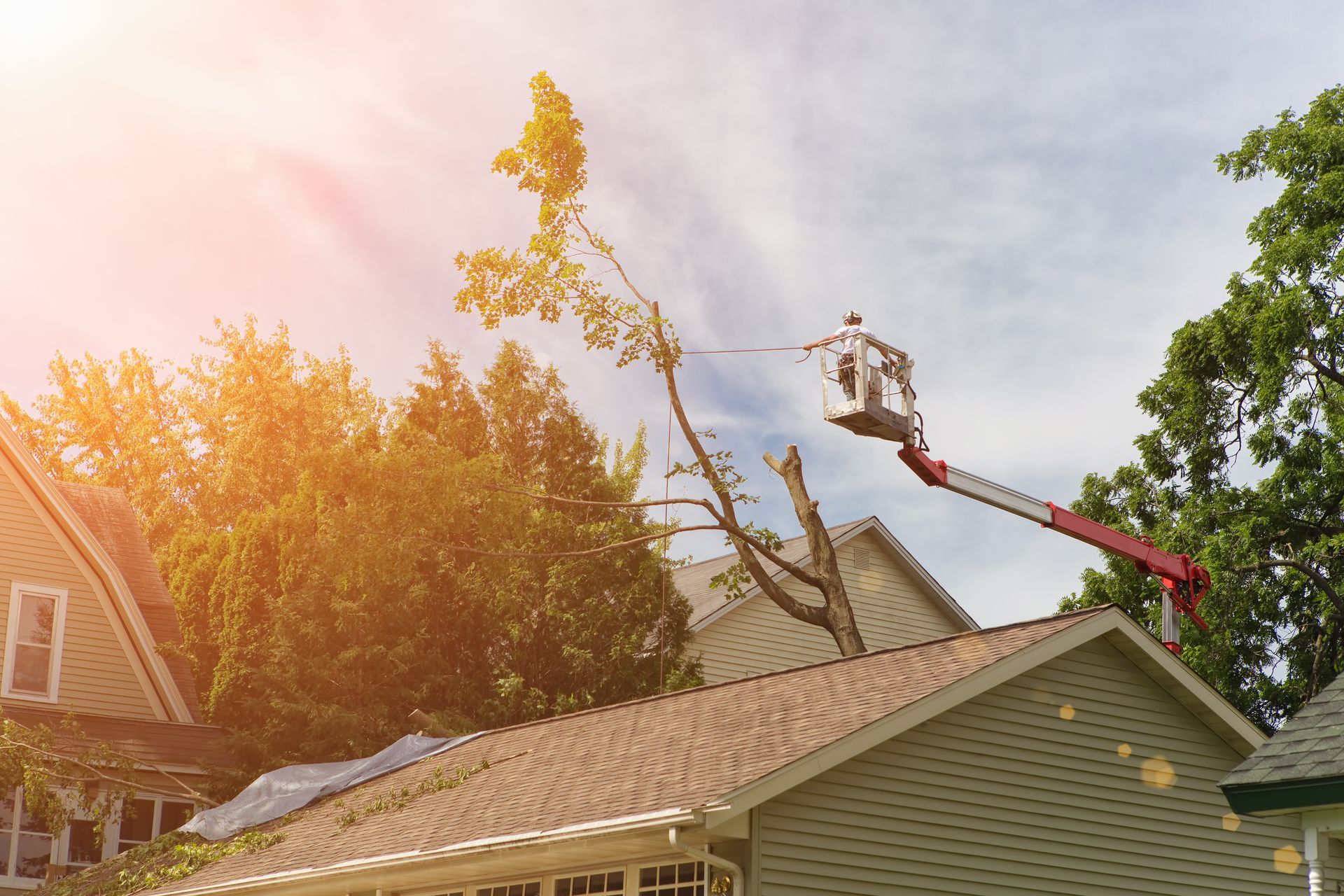
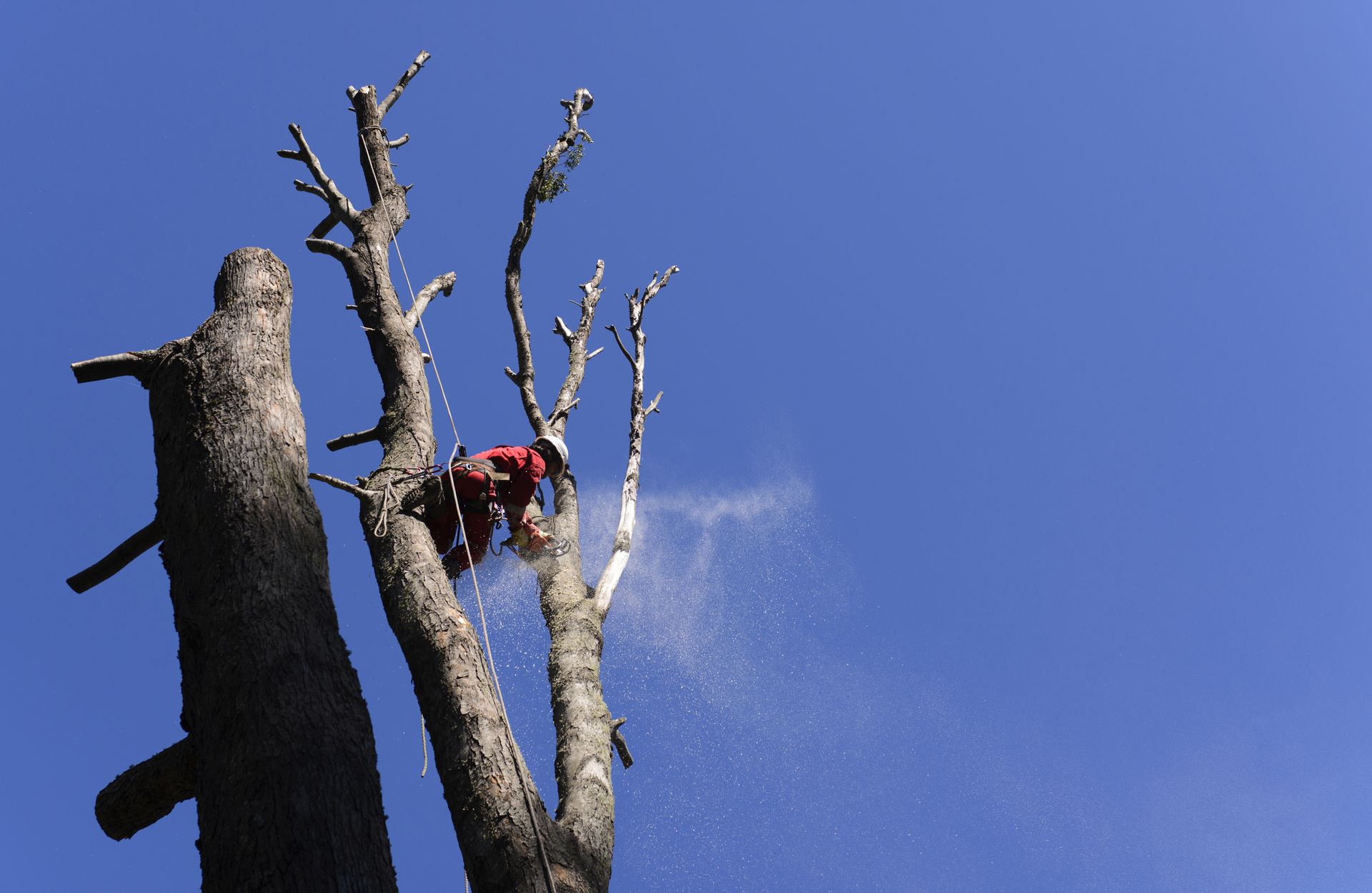
The removal process involves complete tree extraction using rigging systems that control limb descent in confined spaces, followed by stump grinding that takes the remaining wood below grade and clears the site for replanting or hardscape installation. Debris removal is included in every job, and safety protocols are calibrated for residential and commercial proximity where falling wood could impact structures, utilities, or neighboring properties.
Schedule a property evaluation to identify trees that pose immediate or seasonal risk.
What Full Extraction Accomplishes on Your Property
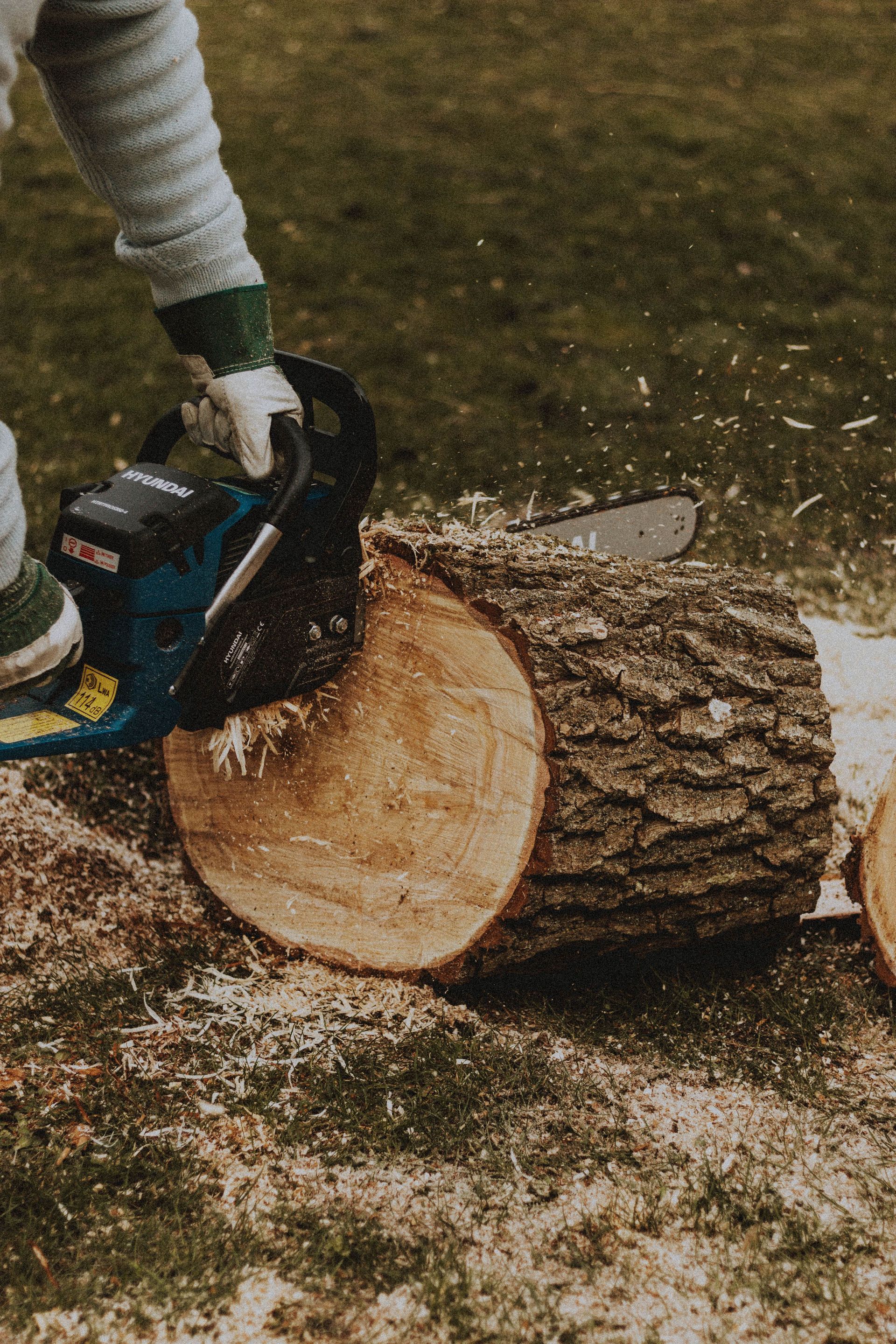
Full-tree extraction clears the entire structure from crown to root ball, eliminating the hazard and opening the site for future use. The seven-crew operation Elevate Greenscape & Trees maintains allows for year-round service readiness, meaning removal can be scheduled quickly when storm forecasts or visible instability create urgency.
After the tree is removed and the stump is ground below grade, you'll notice the cleared space no longer attracts pests, the risk of limb failure during wind events is eliminated, and the yard or commercial lot becomes usable for new landscaping or construction. Grinding the stump prevents regrowth and removes the tripping hazard and visual obstruction that remains after cutting a tree at ground level.
The service includes hauling all wood debris off-site, leveling the stump area with mulch or soil, and inspecting surrounding trees for similar risk factors. Properties in Gilroy, Saratoga, Mountain View, and San Jose corridors receive the same full-service approach, with crews equipped to handle both emergency removals and planned extractions during low-risk weather windows.
Questions Property Owners Ask Before Scheduling Removal
Tree removal in foothill areas often raises questions about timing, cost factors, and what gets included in the service. These answers clarify what happens during a typical removal project in San Martin and the surrounding South Bay.
What determines whether a tree needs full removal versus pruning?
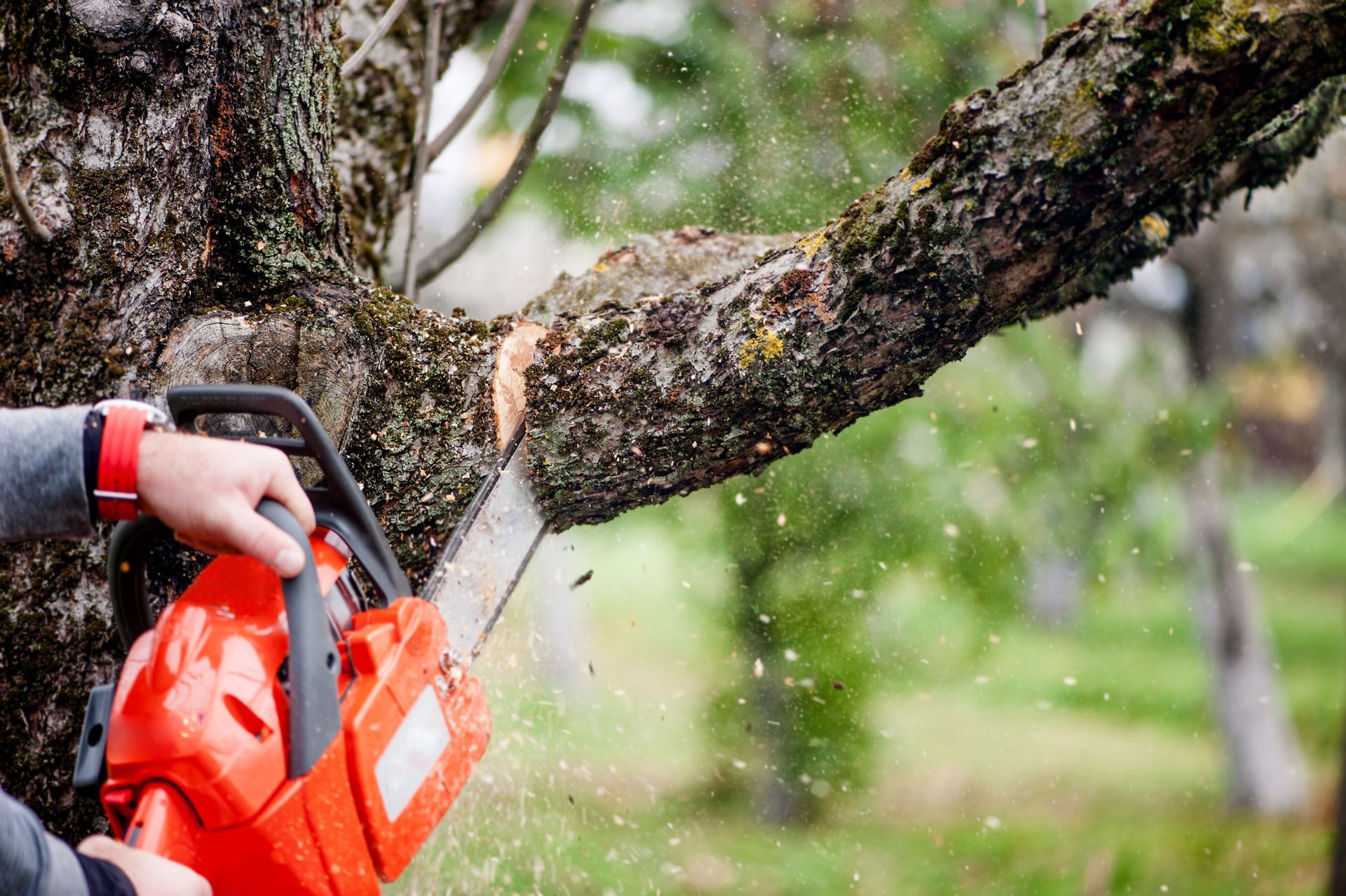
Trees with more than 50 percent canopy dieback, visible trunk decay, root heave, or severe lean toward structures typically require removal rather than corrective pruning. Structural defects that cannot be mitigated through limb reduction make extraction the safer option.
How does stump grinding work after the tree is cut down?
A grinder reduces the stump to wood chips six to twelve inches below grade, which allows soil and mulch to cover the area. The grinding process eliminates the stump entirely rather than leaving a flat-cut surface that can sprout new growth.
When should removal be scheduled to avoid storm damage?
In San Martin and the South Bay foothills, scheduling removal before winter storm season reduces the risk of wind-driven limb failure. Trees identified as hazardous during dry months are best removed before October when rain and wind increase.
What factors affect the cost of removing a tree?
Tree height, trunk diameter, proximity to structures, access for equipment, and the complexity of rigging all influence pricing. A tree leaning over a house requires more rigging time and precision than one standing in open space.
What happens to the wood and debris after extraction?
All debris is chipped, hauled off-site, and processed, leaving the property clear. Larger trunk sections can be left as firewood if requested, but standard service includes full cleanup and site leveling.
Elevate Greenscape & Trees operates year-round with crews trained in rigging and safety protocols for high-risk tree work. Request a site evaluation to assess hazardous trees and receive a detailed removal plan tailored to your property layout and fire mitigation requirements.