Limb Removal That Strengthens Branch Architecture
Structural Tree Pruning in San Martin for improved form, storm resilience, and elimination of hazardous limbs
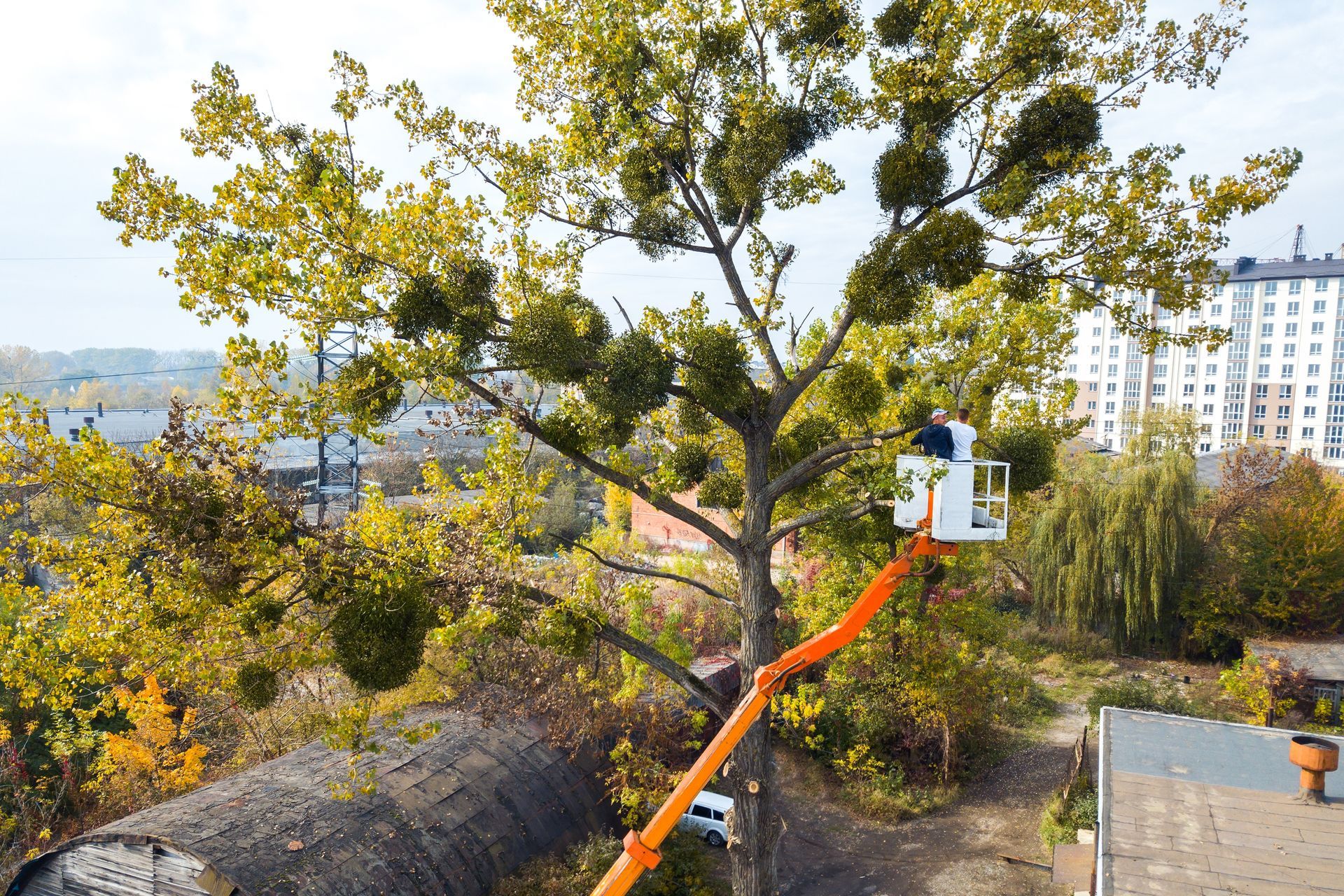
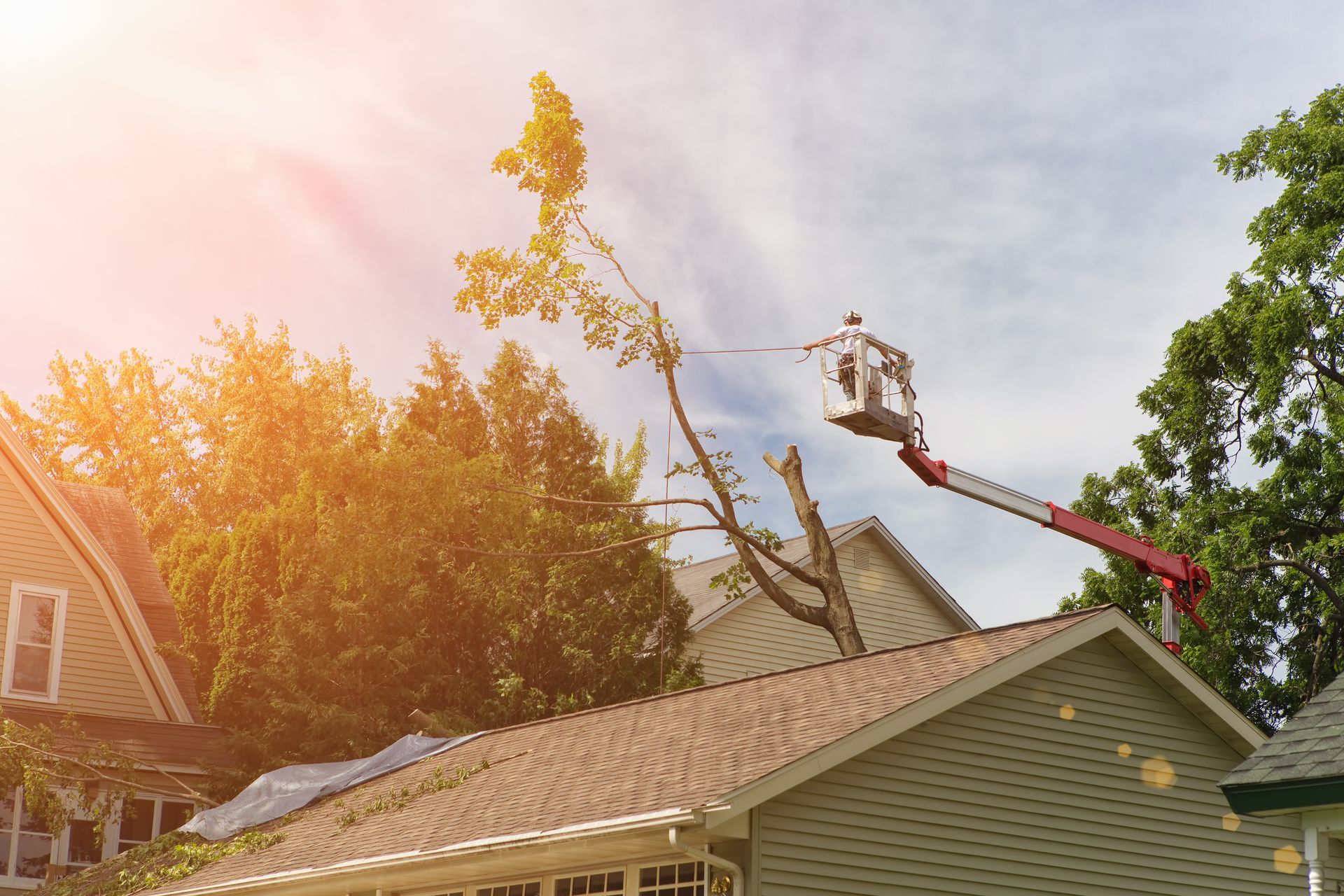
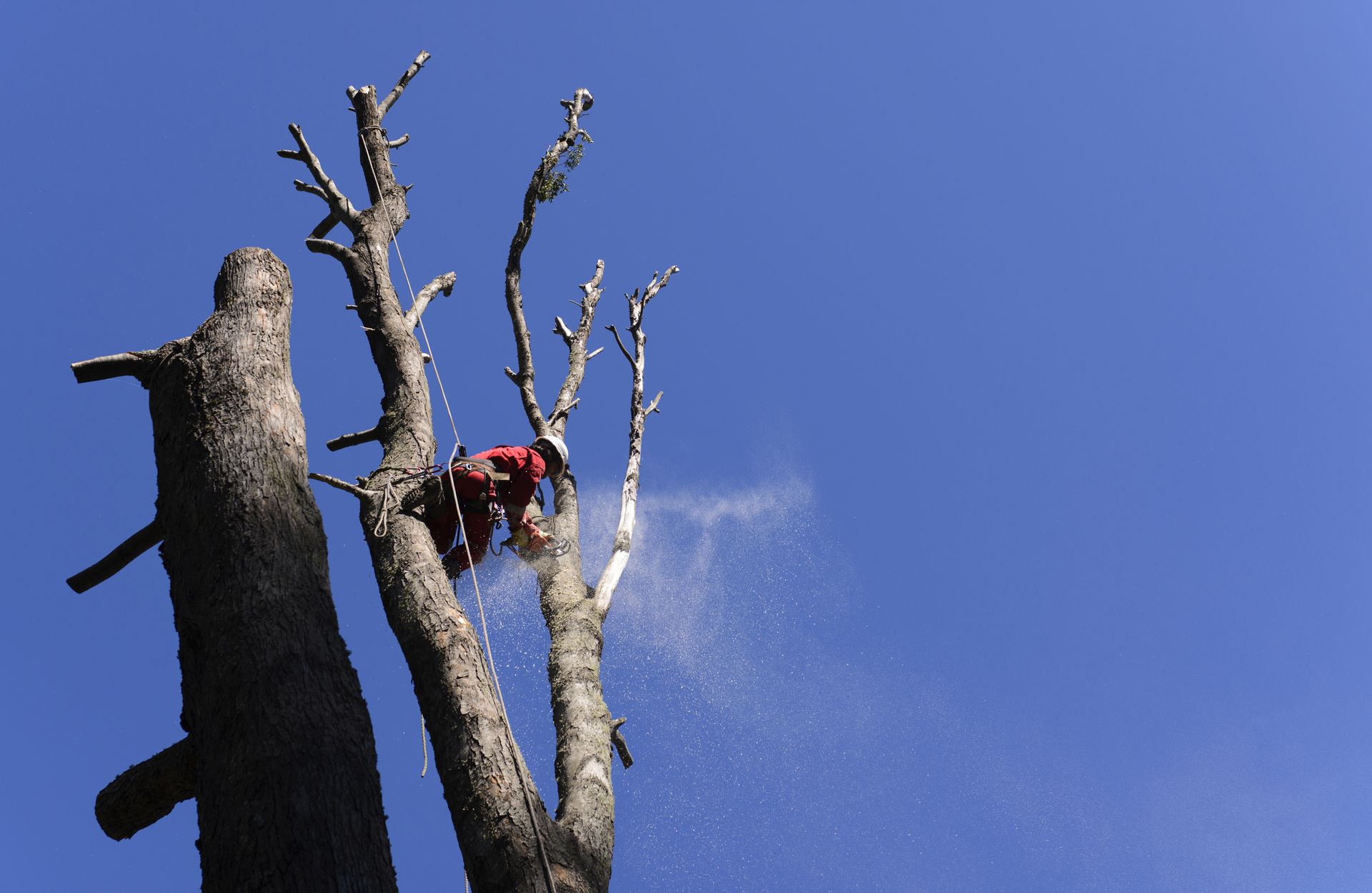
Structural pruning corrects branch architecture to prevent failure during wind loading, improves clearance around structures and utilities, and extends tree longevity by removing defects before they worsen. Urban and suburban trees in San Martin, Gilroy, Saratoga, Mountain View, and San Jose require precision shaping that balances aesthetic goals with safety requirements, particularly where canopies overhang roofs, driveways, or power lines. Elevate Greenscape & Trees follows ISA standards for reduction cuts and crown thinning, avoiding topping and other practices that create hazardous regrowth.
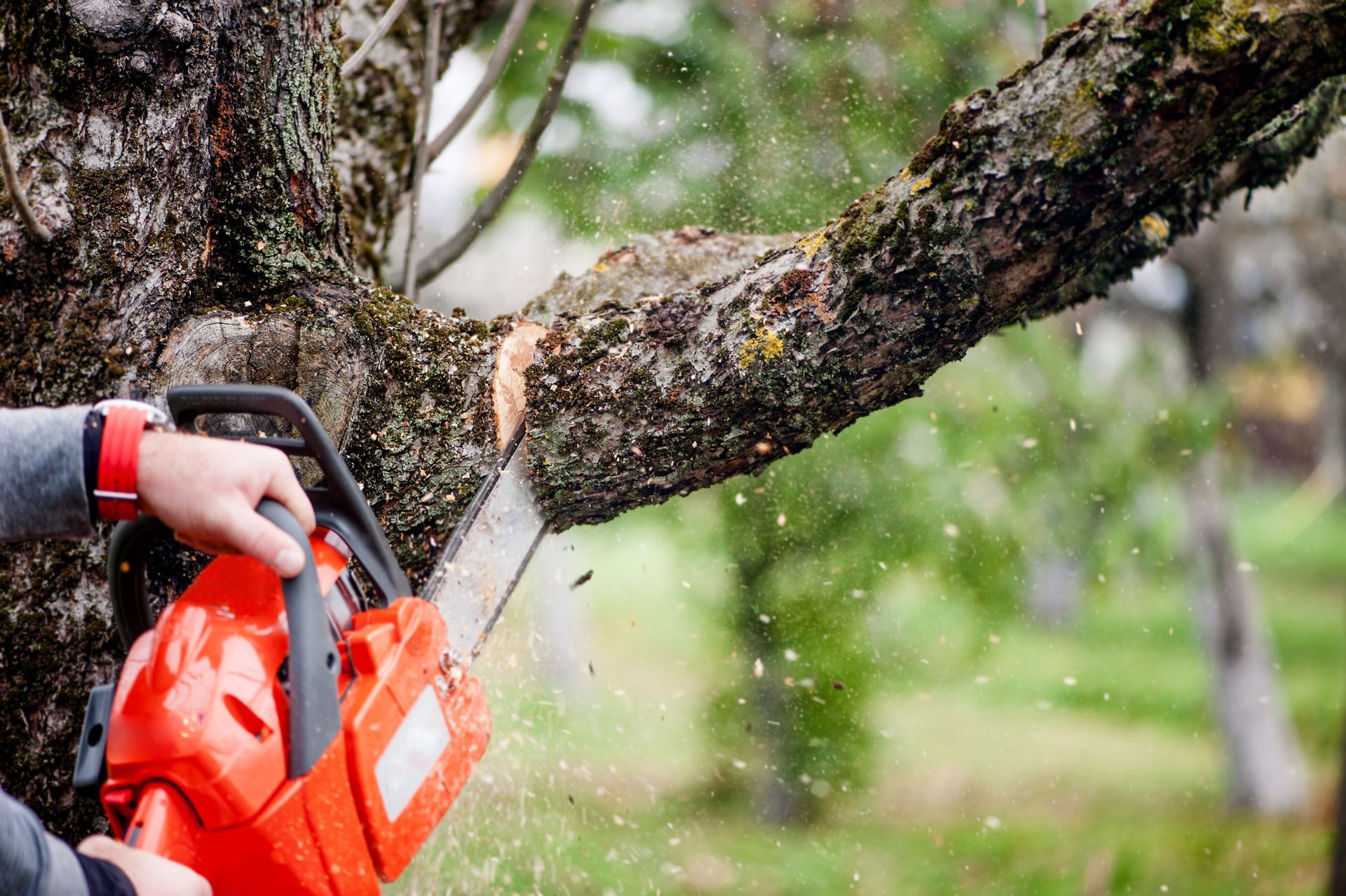
The pruning process includes crown thinning to reduce weight on long limbs, removal of crossing or rubbing branches that create wounds, reduction cuts that shorten limbs while preserving branch taper, and elimination of weak unions where bark inclusions prevent strong attachment. Each cut is placed to promote callus formation and prevent decay from entering the trunk.
Schedule a consultation to evaluate your trees for structural defects and clearance needs.
Why Proper Pruning Prevents Future Failures
Crown thinning removes interior branches to reduce wind sail without changing the tree's natural shape, allowing air to pass through the canopy rather than catching it like a sail. Reduction cuts shorten limbs by removing them back to lateral branches large enough to assume the terminal role, which maintains taper and prevents stub dieback. This approach distributes growth hormone appropriately and avoids the dense, weakly attached sprout clusters that develop after topping.
After structural pruning, you'll notice improved canopy shape with better light penetration, reduced risk of limbs breaking during storms, and restored clearance around buildings and walkways. Trees pruned following ISA standards show slower regrowth and stronger branch unions compared to topped trees, which require frequent corrective pruning to manage vigorous, poorly attached sprouts.
The work does not include removing more than 25 percent of live canopy in a single visit, which would stress the tree and trigger excessive regrowth. Severe defects that require heavy pruning are addressed over multiple seasons to maintain tree health. Elevate Greenscape & Trees schedules structural work during dormant periods when wound closure is optimized and growth response is moderated.
Answers to Frequent Structural Pruning Questions
Property owners preparing for structural pruning often ask about timing, what will be removed, and how pruning affects tree health and appearance.
What's the difference between structural pruning and standard trimming?
Structural pruning targets branch architecture to correct defects and improve load distribution, while standard trimming focuses on size reduction and clearance. Structural work requires understanding tree biomechanics and how cuts influence future growth patterns.
How much of the canopy can be safely removed in one visit?
Industry standards recommend removing no more than 25 percent of live canopy during a single pruning event. Exceeding this threshold stresses the tree, depletes energy reserves, and triggers excessive sprouting that creates new structural problems.
When is the best time to perform structural pruning in San Martin?
Late winter or early spring, before new growth begins, is optimal for most species. Pruning during dormancy minimizes stress, reduces disease transmission, and allows wounds to close as growth resumes. Some species have specific timing requirements based on bleeding or disease susceptibility.
What are reduction cuts and why are they better than topping?
Reduction cuts remove limbs back to lateral branches large enough to assume the terminal role, maintaining branch taper and growth hormone distribution. Topping removes limbs to stubs or undersized laterals, causing decay, dense sprouting, and structural weakness.
Can structural pruning fix a tree that's already been topped?
Follow-up pruning can select the strongest sprouts to become permanent branches and remove competing growth, but the original wounds remain as decay columns inside the trunk. Restoration takes multiple years and never fully reverses the structural damage topping causes.
The seven-crew operation maintained by Elevate Greenscape & Trees allows for year-round scheduling of structural work, with crews trained in ISA-standard pruning techniques. Arrange an on-site review to identify limbs that require removal or reduction before storm season increases failure risk.
