
Pruning Cycles That Prevent Structural Failure
Tree Maintenance in San Martin for sustained health, structural integrity, and year-round canopy management
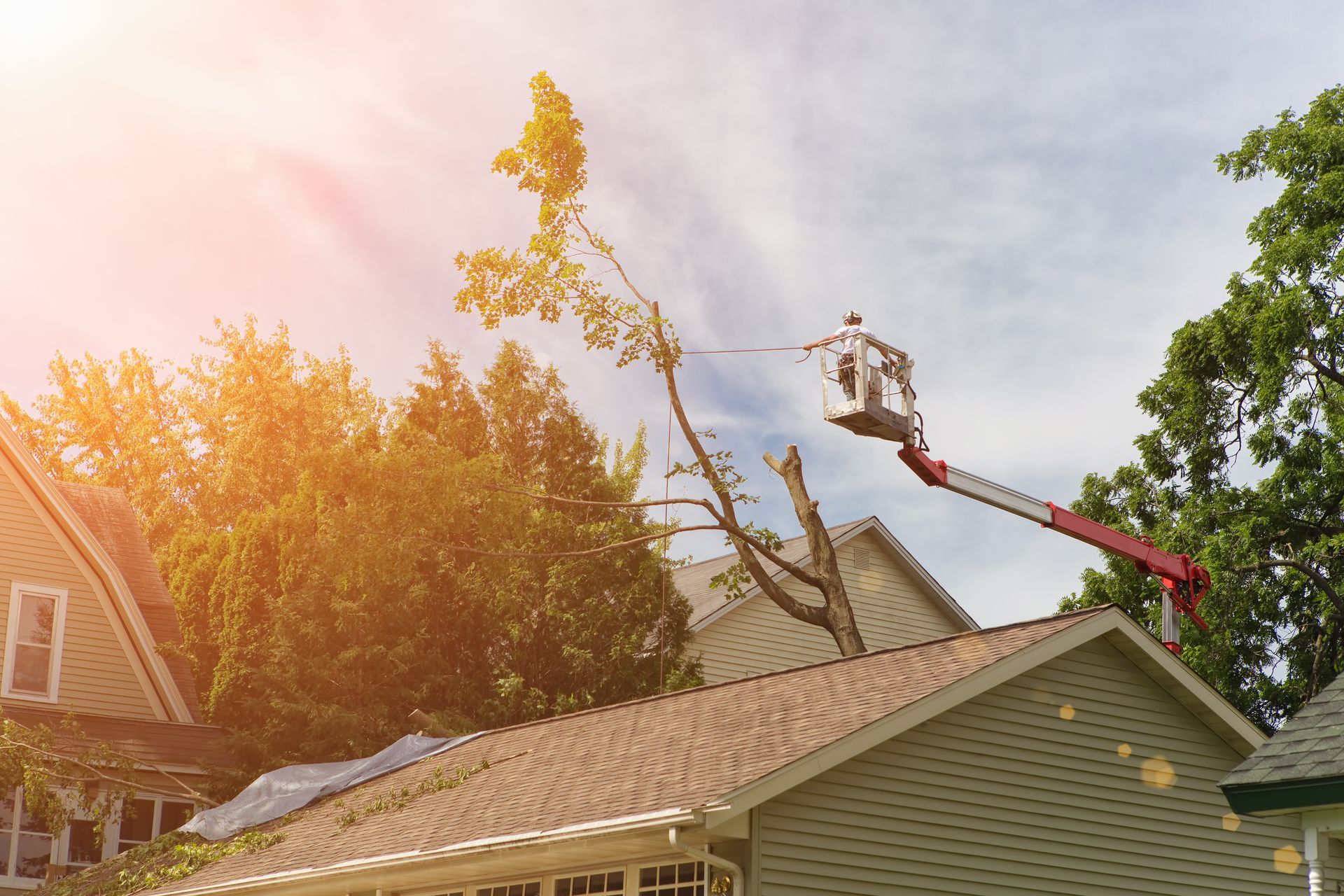
Year-round tree care in the South Bay climate requires seasonal pruning cycles that respond to growth patterns, drought stress, and storm exposure. Elevate Greenscape & Trees provides scheduled maintenance across San Martin, Gilroy, Saratoga, Mountain View, and San Jose, where trees experience vigorous spring growth followed by summer heat stress and winter storm loading. Ongoing care prevents limb failure, maintains clearance from structures and utilities, and keeps canopies shaped for wind resistance.
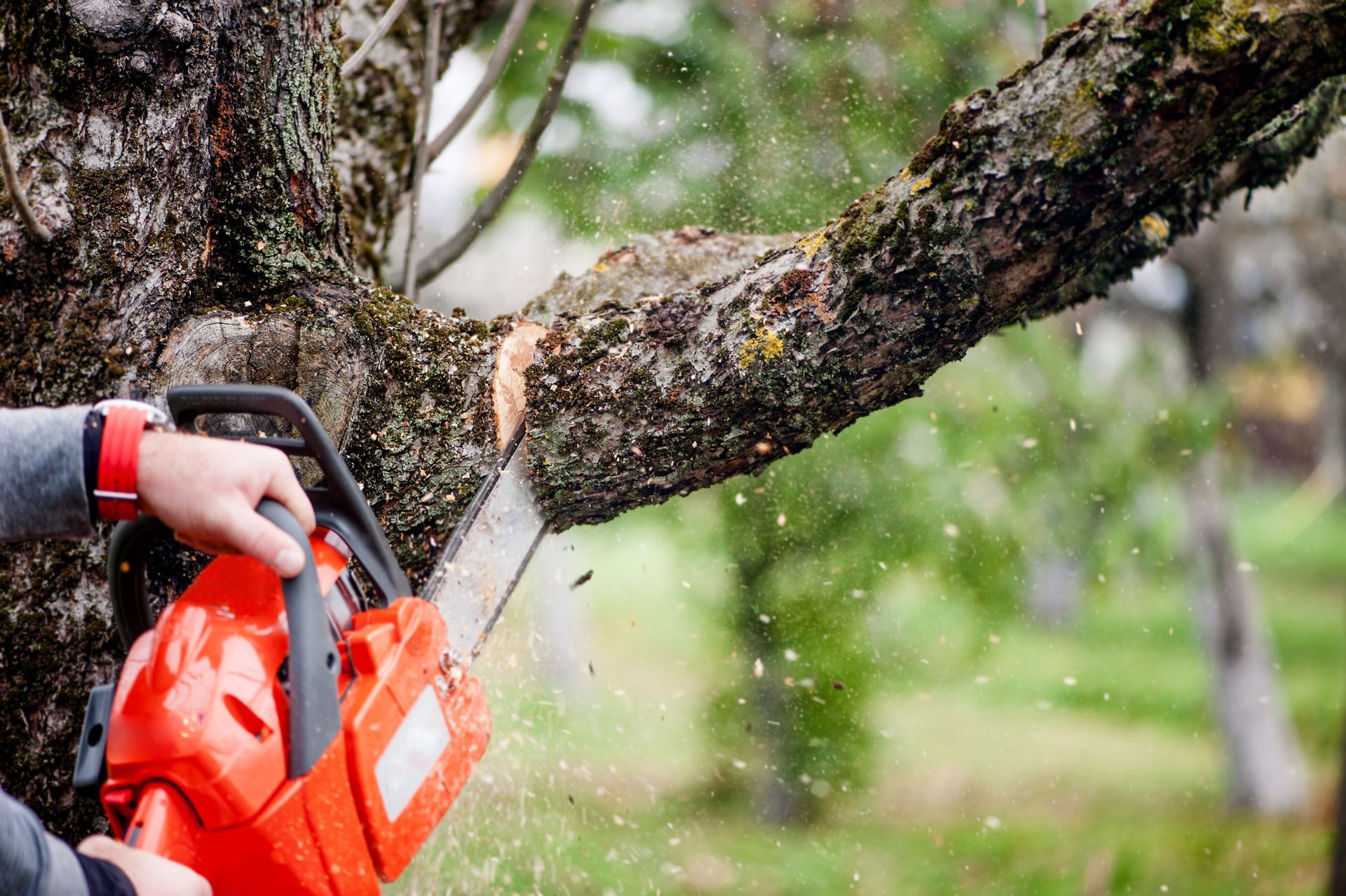
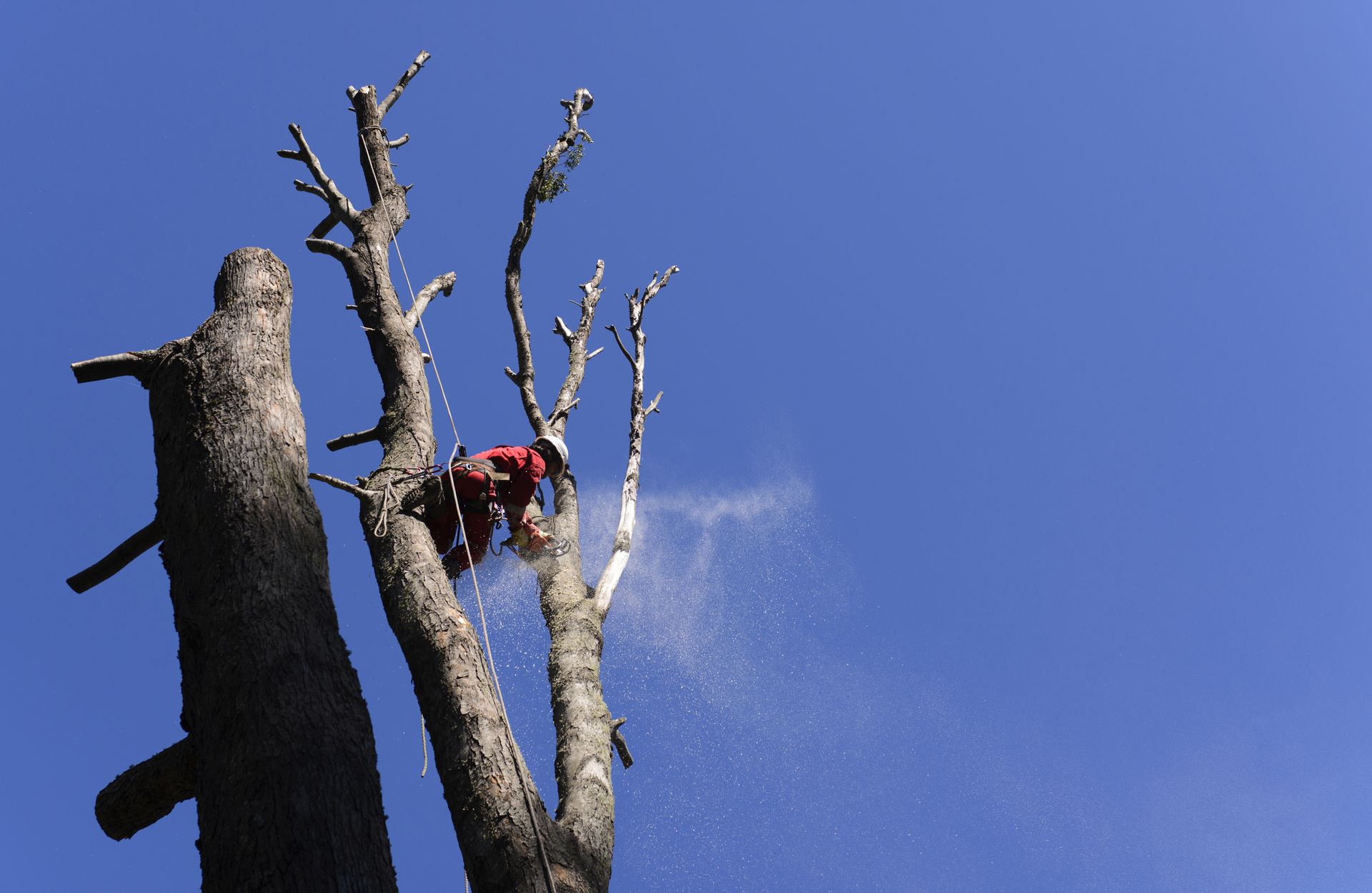
Maintenance visits include branch removal to eliminate crossing limbs, crown shaping to reduce wind sail, and health monitoring between visits to catch early signs of pest pressure or disease. Each visit addresses immediate structural concerns while tracking changes in tree vigor, allowing problems to be addressed before they require emergency intervention.
Arrange a seasonal maintenance plan to keep your trees structurally sound throughout the year.

How Regular Visits Sustain Tree Vigor
Scheduled pruning follows the tree's annual growth cycle, removing deadwood in late winter, thinning crowns in spring to reduce weight before summer heat, and clearing storm-damaged limbs in fall. This rhythm prevents the buildup of hazardous wood and keeps canopies open enough for airflow, which reduces fungal disease pressure in humid months.
After maintenance pruning, you'll notice improved canopy shape, fewer broken branches on the ground after wind events, and better clearance around rooflines and driveways. Trees maintained on a regular schedule show stronger branch unions and less dieback compared to trees that receive only reactive pruning after damage occurs.
The seven-crew operation that Elevate Greenscape & Trees manages allows for consistent service delivery across multiple properties, with visits scheduled in advance to align with optimal pruning windows for specific species. Maintenance plans can be adjusted based on tree growth rates, pest activity, and property use changes.
Common Questions About Ongoing Tree Care
Property owners often ask about the timing, scope, and long-term benefits of scheduled tree maintenance. These answers provide clarity on how regular care differs from one-time pruning.
What does a seasonal pruning cycle include?
Each visit targets different objectives: winter pruning removes deadwood and corrects structure, spring thinning reduces canopy density, summer checks monitor drought stress, and fall visits clear storm damage. The cycle repeats annually to address changing tree needs.
How often should mature trees receive maintenance pruning?
Most mature landscape trees benefit from annual or biennial visits depending on species growth rate and exposure. Fast-growing species or trees near structures may require more frequent attention to maintain clearance and structural balance.
What's the difference between maintenance pruning and corrective pruning?
Maintenance pruning removes small-diameter growth before it becomes hazardous, while corrective pruning addresses larger structural defects that have already developed. Regular maintenance reduces the need for heavy corrective work and lowers long-term costs.
Can maintenance visits catch pest or disease problems early?
Health monitoring between pruning visits identifies changes in foliage color, unusual dieback, or pest activity before infestations become severe. Early detection allows for targeted treatment rather than waiting until the tree declines significantly.
How does maintenance adapt to drought conditions in San Martin?
During extended dry periods, pruning is scaled back to avoid stressing trees further, and monitoring focuses on irrigation needs and signs of water deficit. South Bay foothill trees often experience drought stress that affects their ability to compartmentalize pruning wounds.
Elevate Greenscape & Trees schedules maintenance visits based on species-specific needs and property conditions, with crews trained to recognize structural weaknesses and health changes. Set up a maintenance plan to keep your trees safe and vigorous across all seasons.
